

B50 trials in mining sector show positive results ahead of rollout
Wednesday, April 8 2026 - 09:41 AM WIB
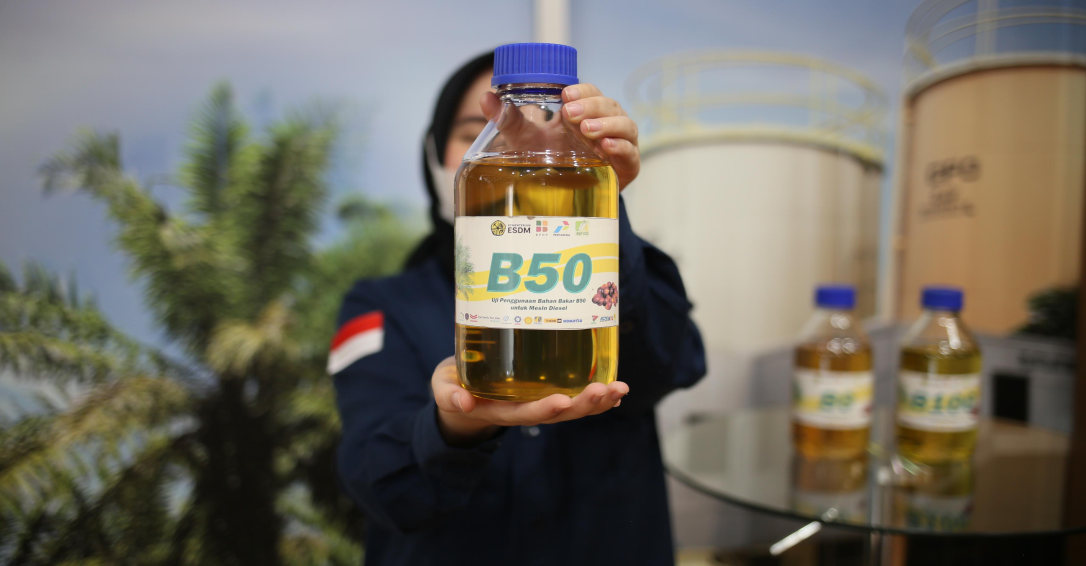
The Ministry of Energy and Mineral Resources (ESDM) reported positive results from trials of 50% biodiesel (B50) in mining heavy equipment, reinforcing the government’s plan to roll out the mandate nationwide from July 1.
The B50 program is part of Indonesia’s broader strategy to reduce reliance on fossil fuels, curb fuel imports and strengthen energy security amid rising global oil prices.
Director General of New, Renewable Energy and Energy Conservation (EBTKE) Eniya Listiani Dewi said interim trial results show stable engine performance with no significant technical issues.
“Overall, B50 usage in diesel engines in the mining sector shows stable performance with no major engine problems. This indicates biodiesel can reliably support industrial operations,” she said in a statement.
The trials, covering fuel quality, engine performance, durability and storage stability, have recorded more than 900 operational hours without fuel-related issues as of end-March 2026.
From the industry side, PT Harmoni Panca Utama (HPU) reported similar findings from field tests comparing B40 and B50 usage in heavy equipment. General Manager Plant Rochman Alamsjah said the company has tested two Komatsu HD785 units over nearly 1,000 hours.
“So far, performance has not been an issue, although B50 shows slightly higher fuel consumption fluctuations of around 1–3%,” he said.
Read also : Indonesia to roll out B50 biodiesel mandate from July
Overall, fuel consumption with B50 was about 3.12% higher than B40, but remains within acceptable operational limits and does not significantly affect productivity.
Technical tests also show B50 meets required specifications, including water content, oxidation stability and fatty acid methyl ester (FAME) levels, confirming its readiness for high-load, non-automotive applications such as mining.
The government plans to implement the B50 mandate starting July 1, with state energy firm PT Pertamina tasked with carrying out blending. The policy is expected to reduce fossil fuel consumption by around 4 million kiloliters per year and generate savings of up to Rp48 trillion (approximately US$2.8 billion) in the first six months through lower imports and reduced subsidy spending.
B50 is a blended fuel consisting of 50% biodiesel derived from vegetable oils, such as palm oil, and 50% conventional diesel. The program builds on Indonesia’s previous rollout of B40 in early 2025, part of a gradual increase in blending mandates aimed at expanding renewable energy use.
Eniya said advancing to B50 marks a key step toward strengthening energy independence and creating added value from domestic resources.
The government will continue trials across other sectors, including transportation, power generation, railways and agriculture, with results to inform technical standards and broader implementation.
Editing by Reiner Simanjuntak