

China’s April coal imports decline amid weak demand, high prices
Monday, May 11 2026 - 08:13 AM WIB
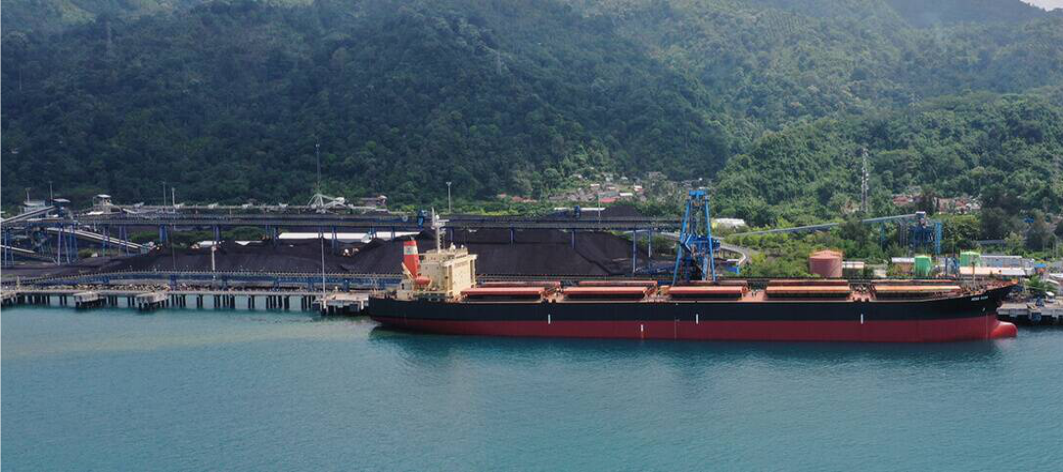
China’s coal imports fell in April after a record-breaking first quarter that had defied expectations of a slowdown, as weak demand and unfavorable import economics weighed on buying interest.
Coal imports totaled 33.08 million tonnes in April, down 12.54% from a year earlier and 15.3% lower than in March, according to data released by China’s General Administration of Customs on May 9 and cited by SX Coal.
The decline reflected a combination of high seaborne coal prices, reduced export supply, strong domestic production and seasonal increases in clean energy generation.
Imported coal prices remained higher than domestic supplies during the month. Rising global energy costs, higher freight rates and tighter availability of key export grades pushed landed prices well above China’s relatively stable domestic coal market.
Supply from two of China’s major suppliers also weakened.
Indonesia, China’s largest supplier of thermal coal, continued to face domestic policy constraints that reduced export availability and increased costs, resulting in a sharp year-on-year decline in shipments to China.
Russia’s seaborne coal exports fell 10.34% year-on-year in April, while shipments to mainland China plunged 33.59% from a year earlier and slipped 4.84% from March, according to vessel-tracking data from Kpler. Russia’s rail-borne coal exports to China rose 6.71% year-on-year but edged down 1.54% month-on-month in April, according to Metals & Mining Intelligence.
Read also : China coal demand broadens beyond power as conversion projects expand
Domestically, ample inventories and subdued demand reduced the urgency for imports. China’s focus on energy self-sufficiency, combined with stable deliveries under long-term contracts, helped maintain relatively high coal stockpiles at power plants for this time of year.
With imported cargoes more expensive than domestic supplies, utility purchasing activity remained subdued.
Seasonally weaker electricity demand and stronger clean energy output also reduced coal consumption. April is traditionally a shoulder season between peak heating and cooling demand periods, while hydropower generation improved significantly from a year earlier, reducing the share of thermal power generation.
Looking ahead, ongoing instability in the Middle East continues to tighten international energy supply, while elevated oil prices could disrupt production and logistics in diesel-dependent exporting regions such as Australia and Indonesia.
At the same time, Indonesian miners are still awaiting completion of RKAB approvals, limiting export visibility. Meanwhile, stronger coal demand from Japan, South Korea and Europe — driven by seasonal stock-building and fuel-switching from gas to coal in some markets — has intensified competition for high-calorific-value cargoes.
Under these conditions, imported coal prices in China are expected to remain firm. Coal imports are likely to continue declining year-on-year in May, although seasonal pre-summer restocking demand and higher trucked volumes of Mongolian coal could lift total imports slightly from April levels.
Editing by Reiner Simanjuntak