

Global coal demand hit record high in 2025, but set to ease by 2030 – IEA
Wednesday, December 17 2025 - 06:00 PM WIB
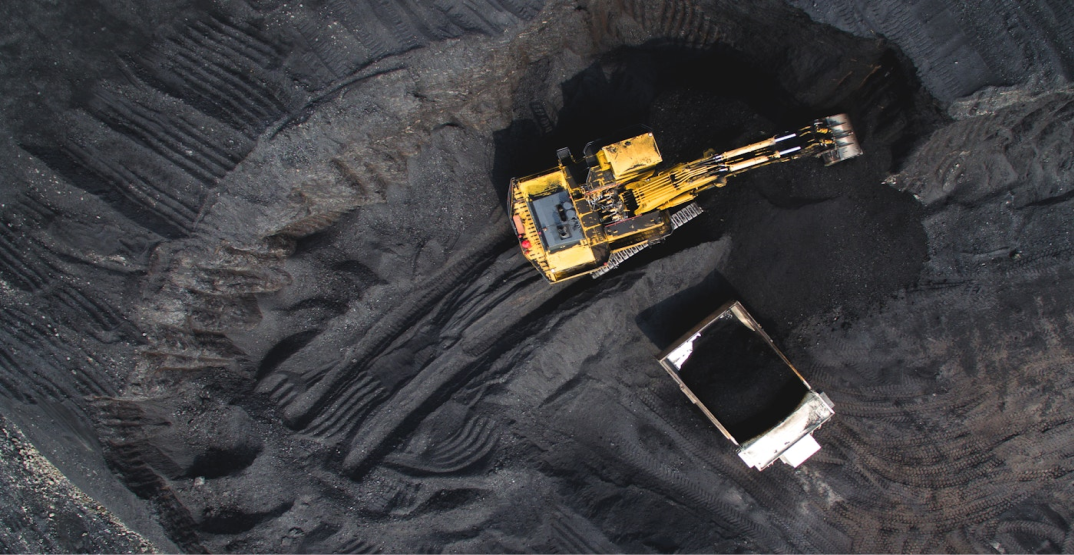
Global coal demand reached a record high in 2025, but is expected to plateau in the coming years and decline gradually by the end of the decade, according to the International Energy Agency (IEA), as competition from renewables, nuclear power and liquefied natural gas intensifies.
In its latest outlook, the IEA said global coal consumption in 2025 is projected to rise by around 0.5% from 2024 to 8.85 billion tonnes, marking an all-time high. However, consumption is forecast to fall by about 3% by 2030, dropping below its 2023 level, with coal-fired power generation expected to sink below 2021 levels by the end of the decade.
The agency said coal demand in 2025 was shaped by unusual regional dynamics driven by weather patterns, fuel prices and policy decisions, often running counter to recent trends.
In India, traditionally a key driver of global coal demand growth, an early and strong monsoon season reduced electricity demand and boosted hydropower generation. As a result, coal-fired power generation is set to decline year-on-year in 2025 for only the third time in the past 50 years.
In contrast, coal demand in the United States is expected to rise by around 8% in 2025, reversing a long-term decline that has averaged 6% per year over the past 15 years. The increase reflects higher natural gas prices and a slowdown in coal plant retirements, supported by federal policy measures.
In the European Union, weaker hydropower and wind output lifted coal-fired generation in the first half of the year. As a result, EU coal demand is projected to fall by only about 2% in 2025, a much smaller drop than the double-digit declines recorded in 2023 and 2024.
China, which consumes more coal than the rest of the world combined, is expected to see demand broadly match its 2024 level in 2025. This stability underpins the global total, keeping coal consumption close to the IEA’s forecast issued a year earlier.
Demand growth shifts to Asia
Looking ahead, the IEA expects global coal demand to effectively plateau, with only a very gradual decline through 2030. Strong growth in global electricity demand could continue to support coal use, but rising renewable capacity, steady nuclear expansion and a wave of new LNG supply are set to intensify competition.
Coal use in industry is expected to decline by less than 1% per year through 2030, reflecting the slow pace of fuel substitution. This modest decline is forecast to be partially offset by growth in coal gasification, mainly in China.
Read also: Global coal demand to remain stable in 2025 and 2026: IEA
India is expected to record the largest absolute increase in coal consumption between now and 2030, with demand rising by an average of 3% per year, adding more than 200 million tonnes cumulatively. Southeast Asia is projected to be the fastest-growing region, with coal demand forecast to expand by more than 4% annually through 2030.
Despite the overall downward trend, the IEA warned that significant uncertainties remain. Stronger-than-expected coal gasification in China or slower integration of new renewable capacity could push global coal demand above current forecasts, while faster gains by competing energy sources could accelerate the decline.
China remains decisive
China remains the dominant force shaping global coal markets, consuming around 30% more coal than the rest of the world combined. It is also the largest producer and importer, making global coal markets highly sensitive to Chinese economic growth, policy decisions, weather conditions and domestic coal sector dynamics.
The IEA expects coal demand in China to edge down slightly through 2030, by less than 1% per year on average. However, stronger electricity demand growth, weaker renewable dispatch or faster expansion of coal gasification projects could turn the decline into modest growth. Beijing has reiterated its target to reach peak coal consumption before 2030.
In the United States, recent policy support has emerged as a notable development. Measures include environmental exemptions for certain coal plants, lower royalty rates for coal mining on federal lands, and support for plant retrofits. Despite this, US coal demand is still forecast to decline by an average of 6% per year through 2030, although the pace could slow if electricity demand rises faster than expected or plant retirements stall.
Production and trade under pressure
After reaching a record high in 2024, global coal production is expected to remain broadly flat in 2025 before declining slightly through 2030, reflecting ample stockpiles and weakening demand.
China’s coal output rose 6% year-on-year in the first half of 2025, but production has eased since July due to high inventories, low prices and safety inspections. Full-year output is still expected to rise by around 1%. In India, coal production growth stalled in 2025 amid weak demand and heavy rains. In Indonesia, coal production is forecast to decline in 2025 for the first time since the onset of the Covid-19 pandemic, driven by shrinking international coal trade. By contrast, US coal production is set to increase, supported by stronger domestic demand and policy backing.
Global coal imports, which hit an all-time high in 2024, are projected to fall by around 5% in 2025 as imports by China and India decline amid sufficient domestic supply and high stock levels. Over the longer term, coal imports are expected to drop sharply, particularly in advanced economies.
China’s coal imports are forecast to decline by about 2.5% per year on average through 2030, mainly affecting thermal coal. India, however, is expected to increase imports of metallurgical coal to support steel production, offsetting declines elsewhere.
International coal trade is under growing pressure. The drop in Chinese imports in 2025 led to the first global trade contraction since 2020, with Indonesia recording the largest absolute export decline, down nearly 50 million tonnes. Colombia saw the sharpest percentage fall, while US exports dipped slightly. Russian exports are expected to remain broadly stable.
Prices retreat from crisis highs
Coal prices have continued to retreat from the record highs seen during the 2022 energy crisis following Russia’s invasion of Ukraine. In 2025, thermal coal prices were around 10% lower in Europe and about 20% lower in Asia compared with 2024, although regional volatility persisted.
The IEA said prices are now converging closer to supply costs, squeezing margins across the sector, as weakening demand and oversupply weigh on the global coal market.
Editing by Reiner Simanjuntak