

ICAO approves Indonesia’s proposal to use POME as SAF feedstock
Saturday, December 13 2025 - 08:09 AM WIB
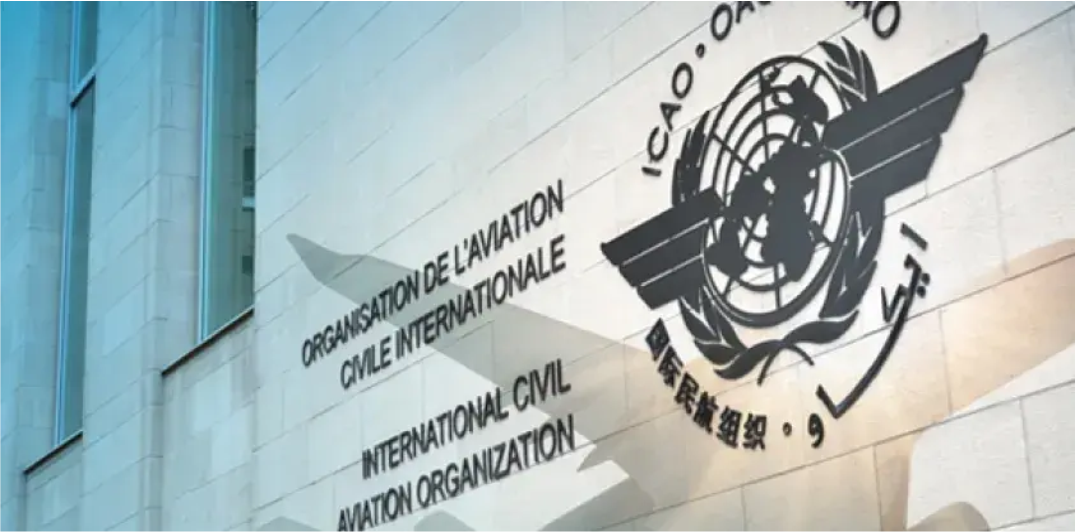
Indonesia has secured approval from the International Civil Aviation Organization (ICAO) for the use of palm oil mill effluent (POME) as a feedstock for sustainable aviation fuel (SAF), a move the government says could accelerate the country’s entry into the global SAF market.
The approval covers a default life-cycle emissions value proposed by the Ministry of Transportation through its Directorate General of Civil Aviation under ICAO’s Carbon Offsetting and Reduction Scheme for International Aviation (CORSIA). ICAO’s Council endorsed the value in late November 2025 after a technical review by the Committee on Aviation Environmental Protection (CAEP).
The approved default life-cycle emissions value for SAF produced from POME is 18.1 grams of CO₂ per megajoule, according to ICAO’s “CORSIA Default Life Cycle Emissions Values for CORSIA Eligible Fuels.” The figure places POME-based SAF among the most competitive feedstocks globally, with potential emissions savings of up to 80% compared with conventional fossil-based jet fuel.
Read also: PGN begins building biomethane injection point in South Sumatra
Director General of Civil Aviation Lukman F Laisa said the decision formally recognizes POME, a residue from crude palm oil production, as an eligible SAF feedstock under ICAO rules. POME is listed as a residue on ICAO’s positive list, allowing it to qualify for favorable emissions accounting.
Indonesia submitted the life-cycle assessment proposal in January 2025 through its representative to ICAO-CAEP, with technical support from Indonesia Palm Oil Strategic Studies and engineering firm Tripatra, and coordination with the Ministry of Foreign Affairs. The assessment process included reviews by independent experts from the University of Hasselt in Belgium and verification by the European Commission’s Joint Research Centre.
Lukman said the approval strengthens Indonesia’s ambition to become a major SAF producer, given the country’s large palm oil industry and abundant POME supply. He added that further work is needed to ensure consistent domestic production, including securing sufficient volumes of traceable POME feedstock and aligning policies, incentives and investment across government, state-owned firms and the aviation sector.
Editing by Alexander Ginting