

Indonesia miners welcome new nickel pricing decree
Tuesday, April 14 2026 - 07:28 AM WIB
By Romel S. Gurky
The Indonesian Nickel Miners Association (APNI) welcomed a newly issued government regulation aimed at improving price transparency in the nickel sector, saying the policy comes at a favorable time amid strengthening global market conditions.
In a statement on Monday, APNI said the Energy and Mineral Resources (ESDM) Ministerial Decree No. 144/2026 marks a strategic step to enhance governance in mineral pricing, particularly through revisions to the calculation of the mineral benchmark price (HPM).
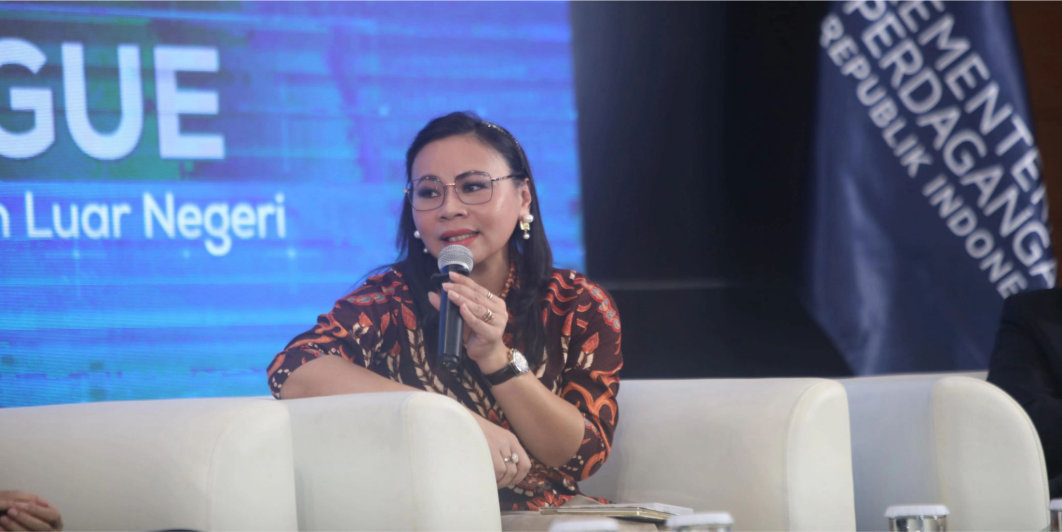
APNI Secretary General Meidy Katrin Lengkey said the updated guidelines would promote more transparent and fair pricing by better reflecting actual market conditions.
“This decree enhances transparency and recognizes the value of by-products in nickel ore, resulting in fairer pricing for all business players,” she said.
The regulation introduces recognition of associated minerals — such as cobalt and iron — contained in nickel ore, which have often not been fully accounted for in pricing. By incorporating these components, the policy is expected to improve price fairness for miners while strengthening overall efficiency in the industry.
The move comes as global nickel prices show signs of recovery, providing momentum for Indonesia to reinforce its role in the global supply chain, APNI said.
Read also : Indonesian miners begin drafting green nickel mining standards
APNI said clearer pricing mechanisms are essential to sustaining the industry, especially as nickel producers face ongoing cost pressures and shifting global dynamics.
However, the association stressed that the success of the policy would depend on consistent enforcement.
“The key to this policy is consistent implementation. We hope this regulation will be enforced in a disciplined manner so that its benefits can truly be felt by miners, smelters, and downstream industries,” Meidy said.
The new decree follows recent policy discussions on adjusting Indonesia’s nickel benchmark price and introducing export levies on processed nickel products, as the government seeks to capture greater value from its mineral resources.
Last month, Energy and Mineral Resources Minister Bahlil Lahadalia said the government was considering raising the HPM and imposing export duties on products such as nickel pig iron, ferronickel and nickel matte.
Those plans have drawn concern from smelters, which warn that higher ore prices and additional levies could increase cost burdens at a time when the industry is already under pressure from rising energy costs, tight raw material supply and elevated sulfur prices.
Industry groups have urged the government to carefully calibrate policy changes to avoid undermining Indonesia’s downstreaming ambitions and global competitiveness.
Despite these concerns, APNI reaffirmed its support for the government’s efforts to build a more transparent, competitive and sustainable nickel industry ecosystem.
Editing by Reiner Simanjuntak