

Indonesia’s overhaul of waste-to-energy framework ‘significant shift’ for investors
Friday, April 10 2026 - 08:04 AM WIB
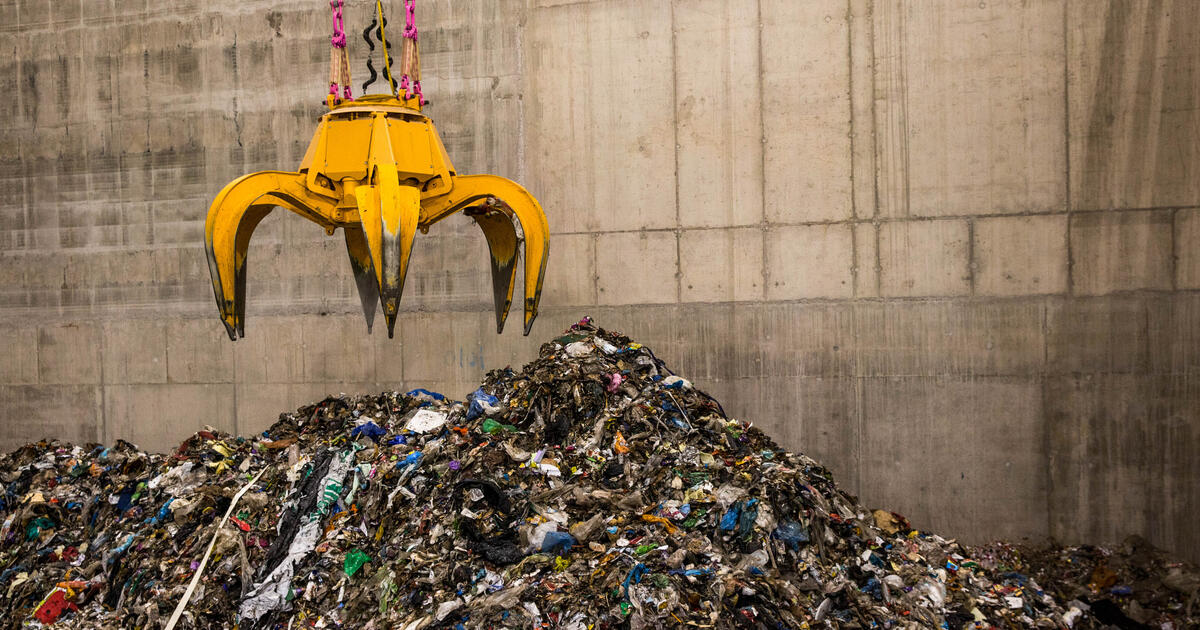
Indonesia has introduced a far-reaching overhaul of its waste-to-energy (WtE) regulatory framework, marking one of the most significant shifts in how the country intends to manage urban waste in the coming decades.
The reforms, set out under Presidential Regulation No. 109 of 2025, replace the 2018 system and are designed to improve commercial certainty, strengthen government coordination and attract sustained private sector investment into WtE infrastructure.
There are, however, risks for developers that must be addressed to ensure that the reforms are successful in ensuring the ongoing viability of Indonesia’s WtE industry.
The new model introduces clearer institutional roles, a unified national tariff, a strengthened project planning process and a more transparent investor selection mechanism. It also confirms Danantara, the state investment holding body, as a central actor in the delivery of WtE projects nationwide. Collectively, these changes are aimed at resolving the bottlenecks that stalled earlier WtE initiatives and accelerating project implementation as Indonesia pursues its net zero emissions target for 2060 or earlier.
WtE has now been designated a national development priority. The government has identified ten initial locations for implementation, several of which, including Greater Bogor, Bekasi City, Denpasar and Yogyakarta, have already commenced the first stage of tendering. These tenders, launched in late 2025 and early 2026, demonstrate the government’s determination not only to reform the regulatory framework but to push projects rapidly through procurement.
The list of prequalified sponsors includes major global companies from Japan, China, Europe and Singapore. Their participation signals strong international confidence in the revised regime and reflects growing interest in Indonesia’s urban infrastructure opportunities. It also underscores the significance of the shift from a fragmented, municipally driven model to a coordinated, central government-aligned structure that provides greater predictability for investors and lenders.……..Click here to read the full article