

Indonesia sets 2026 biodiesel allocation at 15.65 million kiloliters
Wednesday, December 24 2025 - 05:33 AM WIB
By Romel S. Gurky
The Indonesian government has set the national biodiesel allocation for 2026 at 15.65 million kiloliters (kl) as part of its continued implementation of the mandatory biodiesel blending program.
The allocation was formalized through the Energy and Mineral Resources (ESDM) Ministerial Decree, which stipulates the designation of fuel oil companies and biodiesel producers, as well as the volume of biodiesel to be blended with diesel fuel in 2026.
Director General of New, Renewable Energy and Energy Conservation (EBTKE) Eniya Listyani said the total allocation amounts to 15,646,372 kl, consisting of 7,454,600 kl for Public Service Obligation (PSO) fuel distribution and 8,191,772 kl for non-PSO consumption.
“The implementation of the mandatory biodiesel program in 2026 will be supported by the synergy of 32 fuel oil companies and 26 biodiesel producers appointed by the government, while maintaining the PSO incentive scheme as applied in previous years,” Eniya said in Jakarta on Tuesday.
Read also : Indonesia begins B50 evaluation, marking biggest step yet in biodiesel push
She said the allocation is a strategic step to reduce Indonesia’s reliance on imported diesel fuel, strengthen national energy security and self-sufficiency, increase the use of domestic energy resources, and support the country’s greenhouse gas emissions reduction targets.
According to calculations by the ESDM Ministry, the 2026 biodiesel program is expected to generate Rp21.8 trillion in added value from upgrading crude palm oil (CPO) into biodiesel, deliver foreign exchange savings of around Rp139 trillion from reduced diesel imports, create employment for more than 1.9 million workers, and cut greenhouse gas emissions by an estimated 41.5 million tonnes of CO2 equivalent.
To ensure effective implementation, the government said it will continue to strengthen governance, supervision, and transparency by setting allocations based on production capacity and performance. Measures include strict monitoring of biodiesel quality standards, oversight of distribution at delivery points, and the involvement of independent surveyors to verify volumes and quality.
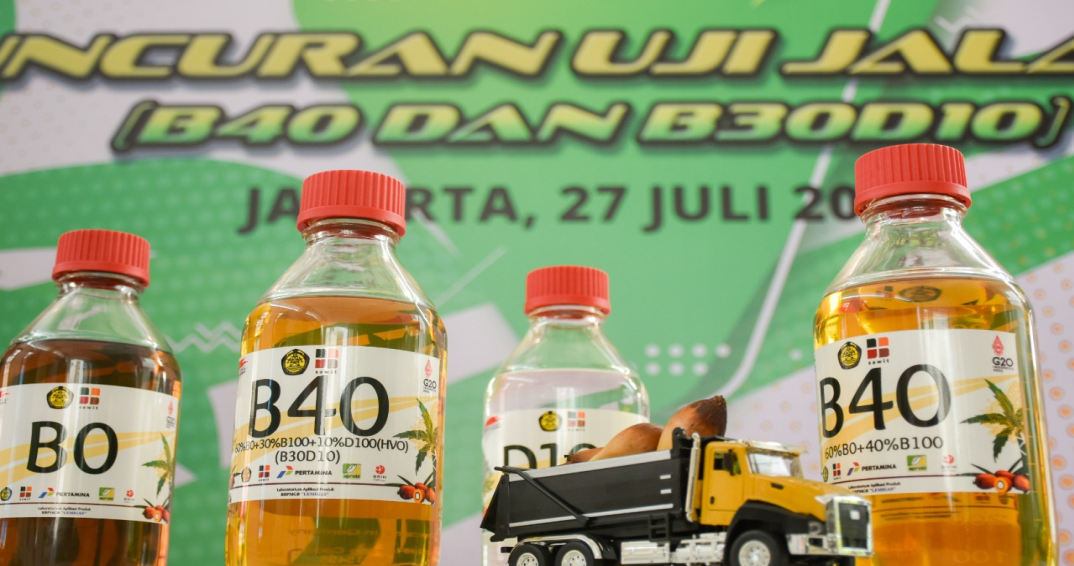
The enhanced supervision is aimed at ensuring the Biodiesel 40% (B40) program runs optimally and delivers maximum benefits to stakeholders. The government also said it remains open to adjusting mandatory biodiesel allocations in the future should national energy needs or strategic policies change.
Editing by Alexander Ginting