

Indonesia to Import 100,000 CNG cylinders for LPG substitution pilot
Monday, May 18 2026 - 04:15 PM WIB
By Calvin Purba
Indonesia plans to import around 100,000 compressed natural gas (CNG) cylinders from China as part of a pilot project aimed at reducing the country’s dependence on liquefied petroleum gas (LPG) imports, a senior energy ministry official said on Monday.
The Southeast Asian country is preparing to test the use of 3-kilogram CNG cylinders for households as an alternative to the widely used subsidized 3-kg LPG canisters.
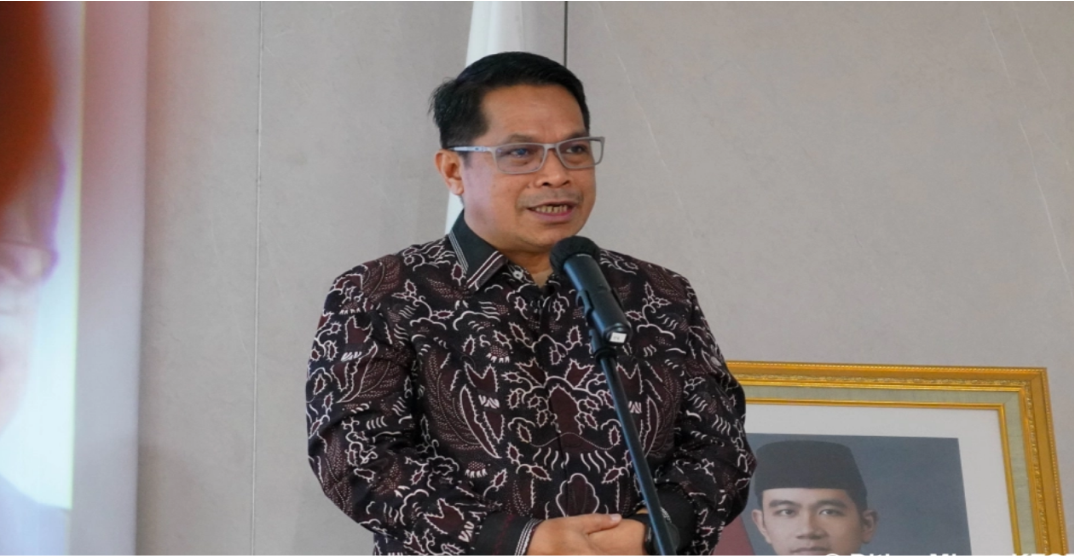
“We are looking at China,” Energy and Mineral Resources Ministry Director General of Oil and Gas Laode Sulaeman told reporters, adding that only a handful of countries currently have the capability to manufacture the technology.
The government expects the cylinders to arrive within one to two months after the order is placed, allowing authorities to begin technical testing of the product.
According to Laode, the pilot project represents the initial phase of Indonesia’s broader strategy to diversify household energy sources and curb rising LPG imports, which have weighed on the country’s trade balance and energy subsidy burden.
Indonesia does not intend for CNG to immediately replace all imported LPG, but rather to serve as an alternative energy source that will be introduced gradually, he said.
Read also : Government to roll out CNG gradually as alternative to imported LPG
“That is still too far away because we are only about to start and begin pilot projects. All of these stages will take time,” Laode said.
The government said Indonesia has sufficient natural gas reserves to support the initiative, particularly after several recent major gas discoveries, including those by Italian energy company Eni.
If the program expands significantly, Indonesia plans to encourage overseas manufacturers to establish production facilities domestically.
“If the market becomes very massive, we will ask the overseas producers to come here and build factories in Indonesia,” Laode said.
The ministry is also coordinating with multiple government agencies to ensure safety standards are met before the cylinders are deployed commercially.
Laode said the safety aspect involves not only the Energy Ministry, but also the Ministry of Industry, the Ministry of Manpower, and the National Standardization Agency (BSN), which is responsible for issuing technical standards.
He said the government is currently consolidating regulations and technical standards across ministries to ensure the CNG cylinders and valves meet strict safety requirements.
Editing by Alexander Ginting