

Indonesia to raise coal output in 2026 on Prabowo’s directive amid price rally
Friday, March 20 2026 - 07:33 AM WIB
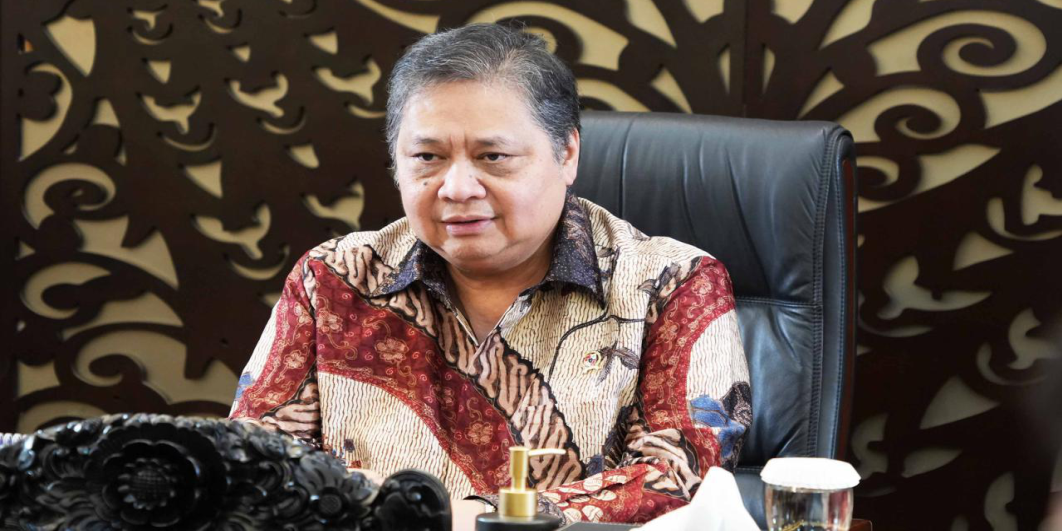
The Indonesian government plans to increase coal production in 2026, reversing an earlier decision to curb output, as it seeks to capitalize on rising global prices driven by tensions in the Middle East.
Coordinating Economic Affairs Minister Airlangga Hartarto said President Prabowo Subianto had instructed officials to raise national coal output by revising miners’ production quotas under the 2026 Work Plan and Budget (RKAB).
“The President has requested an increase in coal production volumes, which means there will be adjustments to the RKAB,” Airlangga said after a meeting at the Presidential Palace in Jakarta on Thursday.
The move marks a shift from earlier policy, when authorities reduced the national coal production target in response to weakening global prices.
Indonesia produced around 790 million tonnes of coal in 2025, with about 43% exported. Despite being one of the world’s largest coal suppliers, the country has limited influence over global prices, prompting the Ministry of Energy and Mineral Resources to cut the 2026 production quota to 600 million tonnes.
However, Prabowo’s latest directive opens the door for revisions. Under existing rules, miners can amend their annual RKAB submissions to the energy ministry by mid-year.
Read also: Prabowo reaffirms domestic priority for coal before exports
The policy change comes as coal prices strengthen, with several Asian countries turning to coal-fired power generation amid elevated oil and gas prices linked to Middle East tensions.
The government is aiming to boost revenue from the sector, partly to offset rising energy subsidy costs as higher oil and gas prices pressure the state budget.
In addition to increasing output, authorities are considering fiscal measures to maximize revenue. Airlangga said the government would review the potential introduction of an export tax on coal in line with rising prices.
“With the potential increase in prices, coal will also be subject to calculations related to export taxes, and the rate will be assessed,” he said.
He added that the policy is designed to balance corporate profitability with higher state income, ensuring that increased revenues do not undermine industry competitiveness.
“The expectation is that government revenue will rise alongside corporate profits,” he said.
The measures form part of a broader strategy to safeguard fiscal stability and manage energy and commodity price volatility, while keeping the budget deficit below 3%, in line with government targets.
Editing by Reiner Simanjuntak