

IPPs remain interested in coal power plant projects despite new tariff policy
Tuesday, March 7 2017 - 03:37 AM WIB
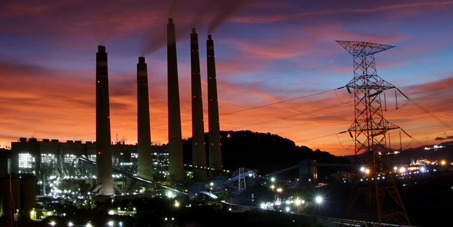

Petromindo
Independent power producers (IPPs) said they?re still interested in developing coal-fired power plant and mine mouth power plant projects in the country despite the introduction of a new electricity tariff policy, which limits the selling price of the power output to state-owned electricity firm PT PLN not to exceed the latter?s electricity production cost base (or BPP), Bisnis Indonesia reported on Tuesday.
?We?re ready to participate in more (power plant) projects,? said Vice President Director of PT Adaro Power, Dharma Djojonegoro to the paper.
Adaro Power, a subsidiary of IDX-listed PT Adaro Energy Tbk, is part of a consortium called PT Bhimasena Power Indonesia, which is developing a 2x1,000 MW coal-fired power plant in Batang, Central Java. Adaro is also developing a 21x100 MW coal-fired power plant in South Kalimantan.
The government plans to develop a total of 35,000 MW power plants through to 2019, much of which will be coal-fired.
Corporate Secretary of IDX-listed coal firm PT Bukit Asam Tbk Adib Ubaidillah, said that despite the new electricity tariff policy the company is still committed to develop up to 5,000 MW of mine mouth power plants. He said the company currently plans to develop the 1,200 MW Sumsel 8 coal-fired power plant project.
Adib said that the company has yet to see how the new tariff policy would affect planned power plant projects, but said that tariff is just one of the factors affecting investment in the power plant sector.
Meanwhile, President Director of PT Cirebon Energi Prasarana, Heru Dewanto said the company has yet to assess the impact of the new tariff policy. He expects, however, that the new policy would still ensure reasonable profit for both the IPPs and PLN. ?If the IPPs become a victim (of the new tariff policy) there will be no investment from the private sector,? he said.
Director General of Electricity Jarman said that the new tariff policy will still be attractive for investment in the coal-fired power plant sector. He said that prior to the issuance of the new policy, there were already at least 18 power plant projects, whose electricity tariffs are in line with the formula set by the new policy. He pointed out as an example that the electricity selling price from the PLTU 7 project in West Java has been set up at about $4 per kWh, lower than the region?s BPP of $5.57.
Minister of Energy and Mineral Resources Ignasius Jonan has recently issued new Ministerial Regulation No 19/2017, which among others sets new tariff formula for electricity from coal-fired power plants including mine mouth to be sold to PLN.
According to the new regulation, the tariff of electricity to be sold by IPPs from coal-fired power plants to PLN shall not exceed the national average BPP, which currently stands at 7.5 US cents per kWh. In comparison, the tariff of electricity from mine mouth power plants based on the previous formula of production cost plus 25 percent margin, ranges from 6.9-8.2 US cents per kWh.
The regulation stipulates that electricity tariff of mine mouth power plants located in region where the BPP is equal to or lower than the national average BPP, the tariff is set maximum at 75 percent of the regional BPP. For mine mouth power plant located in region where the regional BPP is higher than the national average BPP, the tariff is set maximum at 75 percent the national BPP.
For non-mine mouth coal-fired power plants with capacity of more than 100 MW where the regional BPP is equal to or less than the national average BPP, the tariff of the electricity is set maximum equal to the regional BPP. In the case where the plant is located in region where the local BPP is more than the national average BPP, the tariff is set maximum at the national BPP.
For non-mine mouth power plants with capacity of less than 100 MW located in regions where the regional BPP is equal to or less than the national average, the tariff is set maximum at the regional BPP.
For plants located in regions where the regional BPP is higher than the national BPP, then the tariff is determined based on tender mechanism or other business to business arrangement. (*)