

Prabowo orders accelerated shift from diesel to solar power as oil prices surge
Friday, March 20 2026 - 07:40 AM WIB
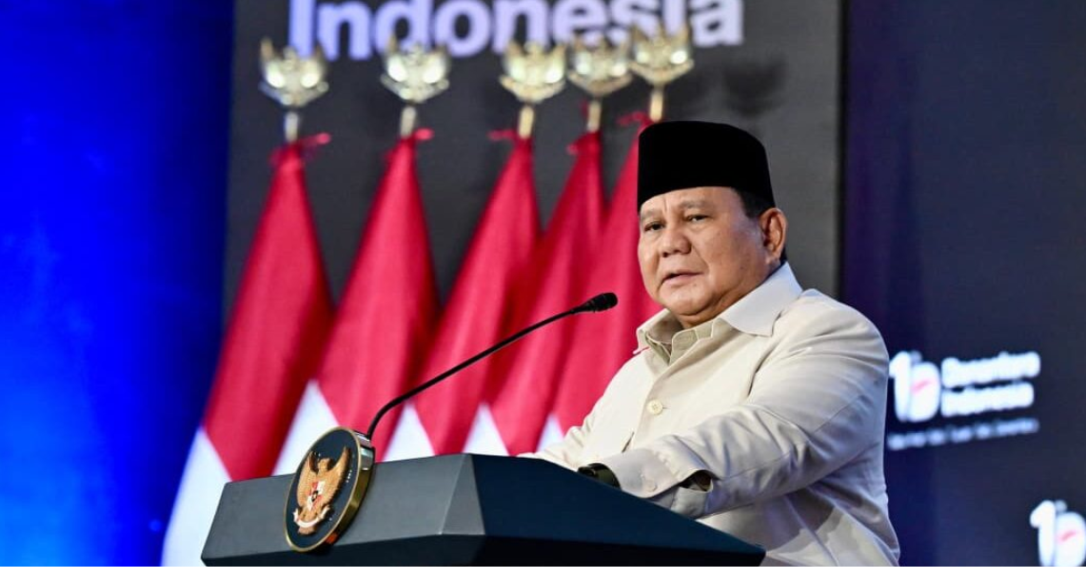
President Prabowo Subianto has ordered an accelerated conversion of diesel-fired power plants to solar energy, as the government seeks to curb rising fuel costs and advance its clean energy transition.
Coordinating Economic Affairs Minister Airlangga Hartarto said the directive was issued during a limited cabinet meeting at the Presidential Palace in Jakarta on Thursday, with officials instructed to immediately calculate and implement the shift from diesel power plants (PLTD) to solar power plants (PLTS).
“Given the current high oil prices, the President has directed that this be immediately realized and calculated for conversion into solar power plants,” Airlangga said.
The move comes in response to surging global oil prices, which have increased the burden of fuel subsidies and operating costs for diesel-based electricity generation.
As part of the plan, the government has assigned sovereign wealth fund Danantara to address technical and financial issues surrounding the conversion of diesel plants.
“Danantara has been tasked with resolving the issues related to these diesel power plants,” Airlangga said, adding that the agency’s chief executive, Rosan Perkasa Roeslani, attended the meeting.
Energy and Mineral Resources Minister Bahlil Lahadalia, who has been appointed to lead a newly formed energy transition task force, said the initiative is part of a broader push to accelerate renewable energy deployment and reduce reliance on costly diesel fuel.
Read also: Govt prioritizes 13 GW solar rollout in initial phase of 100 GW target
The government is targeting the development of up to 100 gigawatts of solar capacity, including installations for schools and villages, as well as off-grid systems in remote areas.
“This is aimed at accelerating the energy transition while also reducing subsidies,” Bahlil said, noting that replacing diesel with solar would improve efficiency in electricity subsidies and support the adoption of electric vehicles.
Officials said the program will prioritize underdeveloped, frontier and outermost regions (known as 3T areas), many of which still rely heavily on diesel generators due to limited grid connectivity.
Deputy Energy Minister Yuliot Tanjung said key target locations include remote islands such as Simeulue, Nias, Mentawai and Enggano, where diesel remains the primary energy source.
“These areas are not yet connected to the grid, so they still depend on diesel,” he said.
The government has identified more than 30 priority locations for the initial phase of the program, with a particular focus on eastern Indonesia.
The policy forms part of a broader strategy to expand energy access, improve efficiency and reduce emissions, while shielding the state budget from volatility in global oil markets.
Editing by Reiner Simanjuntak