

Buana Lintas takes delivery of first LNG tanker
Tuesday, December 23 2025 - 10:58 AM WIB
By Rara Suratmi
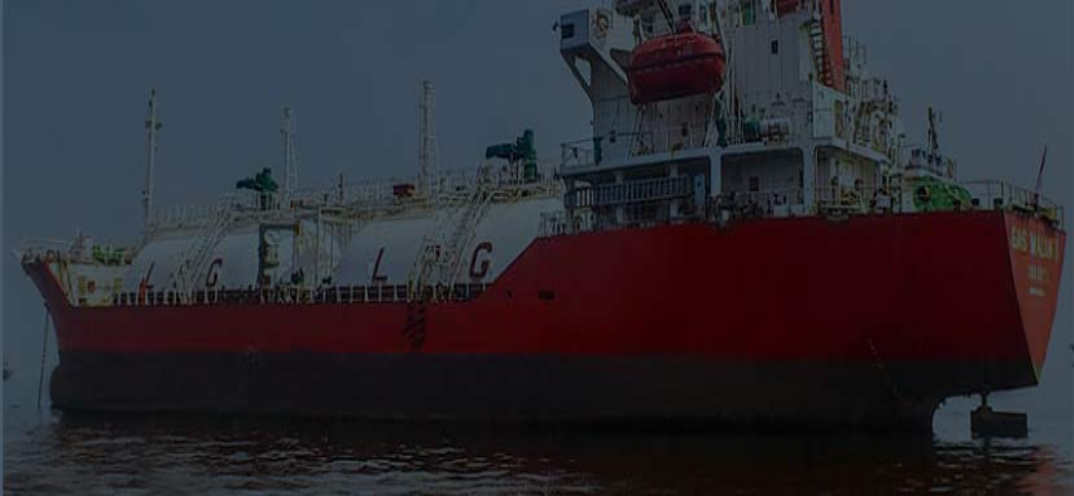
IDX-listed oil and gas tanker operator PT Buana Lintas Lautan Tbk (IDX: BULL) said on Tuesday it has taken delivery of its first liquefied natural gas (LNG) tanker as part of its strategy to expand into LNG transportation.
The vessel, MT Gas Garuda, has a cargo capacity of 145,914 cubic metres and a length of 285.4 metres. It will join BULL’s existing tanker fleet serving both international and domestic shipping routes and is expected to contribute fully to the company’s revenue from 2026.
BULL said the acquisition marks the implementation of the second pillar of its four-pillar development strategy, LNG transportation. The company said it is actively pursuing business opportunities in the LNG shipping market and plans to continue expanding its LNG fleet through a combination of organic growth, including the purchase of LNG carriers, and inorganic growth via acquisitions of LNG tanker companies.
The company cited strong medium-term fundamentals for the LNG shipping market, driven by the construction and completion of new LNG production facilities starting in 2026. Global LNG production capacity is estimated to increase by around 58 million tonnes in 2026 alone, translating into demand for approximately 140–155 new LNG carriers in 2026–2027.
Read also : BULL signals imminent LNG carrier delivery as centrepiece of expansion drive
However, BULL noted that only around 120–140 new LNG vessels are expected to enter service over the same period, while around 60 LNG carriers aged over 30 years are likely to be scrapped. This supply-demand imbalance has supported a strengthening of LNG tanker charter rates in the international market, a trend the company expects to continue.
BULL’s long-term strategy is built around four core business pillars: crude oil and oil product transportation; LNG transportation; floating storage and regasification units (FSRU) for LNG regasification; and floating production storage and offloading (FPSO/FSO) facilities for offshore oil and gas production and storage.
The four-pillar strategy is aimed at diversifying earnings across shipping, infrastructure and oil and gas production, balancing the cyclicality of spot-market exposure with the stability of contract-based businesses, strengthening capital discipline through selective investments and partnerships, and leveraging operational and technical synergies across the fleet. BULL said the strategy is also designed to position the company for the energy transition while maintaining exposure to the oil and gas sector.
Editing by Reiner Simanjuntak